

Creating an organized and productive home workspace is key to working efficiently and feeling motivated throughout your day. Whether you’re working remotely full-time or just need a dedicated area for occasional tasks, a well-planned environment can make all the difference. In this post, we’ll explore practical tips to help you establish a home workspace that promotes focus, comfort, and organization.
Why an Organized Workspace Matters
A cluttered or poorly arranged workspace can cause distractions and reduce productivity. On the other hand, an organized workspace helps you find what you need quickly, minimizes stress, and supports good work habits. When your work area feels inviting and functional, you’re more likely to stay motivated and complete tasks efficiently.
Choosing the Right Location
Finding the ideal spot in your home for your workspace can set the foundation for productivity.
– Natural Light: Try to position your desk near a window to take advantage of natural daylight. This can improve mood and reduce eye strain.
– Low Traffic Area: Select a quiet corner or room where interruptions are minimal.
– Adequate Space: Ensure there’s enough room for your desk, chair, and any necessary equipment without feeling cramped.
Invest in Comfortable and Functional Furniture
Comfort is vital for long hours of work. Choosing the right furniture can support your posture and keep you focused.
– Ergonomic Chair: Pick a chair that supports your lower back and allows you to keep your feet flat on the floor.
– Desk Size: Opt for a desk that fits your work essentials—laptop, monitor, planner, and other tools—without overcrowding.
– Adjustable Equipment: Consider adjustable monitor stands or sit-stand desks that let you change your posture.
Keep Your Workspace Clutter-Free
Clutter can distract and overwhelm. Here’s how to maintain order in your space:
– Daily Tidy-Up: Spend 5 minutes at the end of each workday clearing your desk.
– Storage Solutions: Use shelves, filing cabinets, drawer organizers, or bins to store supplies and paperwork.
– Limit Personal Items: Keep decorations to a few personal items that inspire you without creating mess.
Organize Digital and Paperwork Efficiently
Managing both digital and physical documents correctly saves time and prevents stress.
– Label Everything: Use labels for folders and storage boxes so you can locate items easily.
– Go Paperless: Scan important documents and save them in organized folders on your computer or cloud storage.
– Use Task Management Tools: Apps like Trello, Asana, or simple to-do lists help keep track of tasks and deadlines.
Minimize Distractions
Turning your workspace into a distraction-free zone improves concentration.
– Set Boundaries: Inform family members or roommates of your work hours to minimize interruptions.
– Use Headphones: Noise-cancelling headphones can block background noise and signal that you’re working.
– Limit Phone Use: Place your phone on silent or in another room when focusing on tasks.
Personalize Your Space Thoughtfully
While keeping clutter low, adding small personal touches can make your workspace inviting.
– Inspiring Artwork or Photos: Choose items that motivate you or bring positive energy.
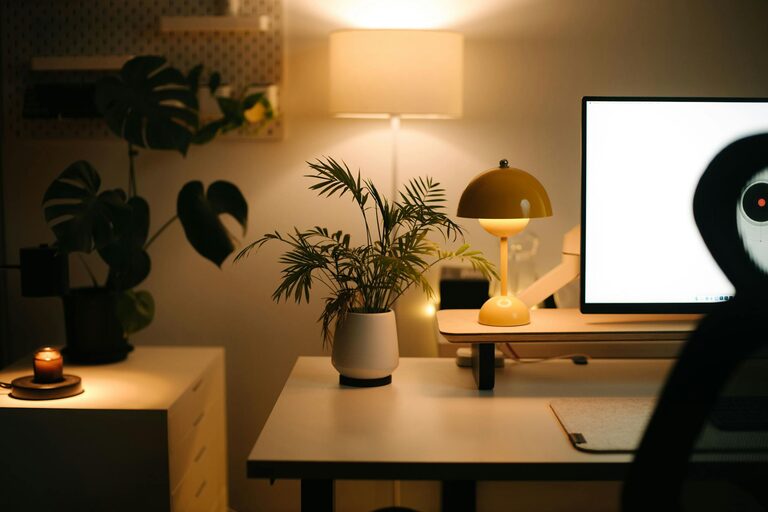
– Plants: Small plants improve air quality and add a calming natural element.
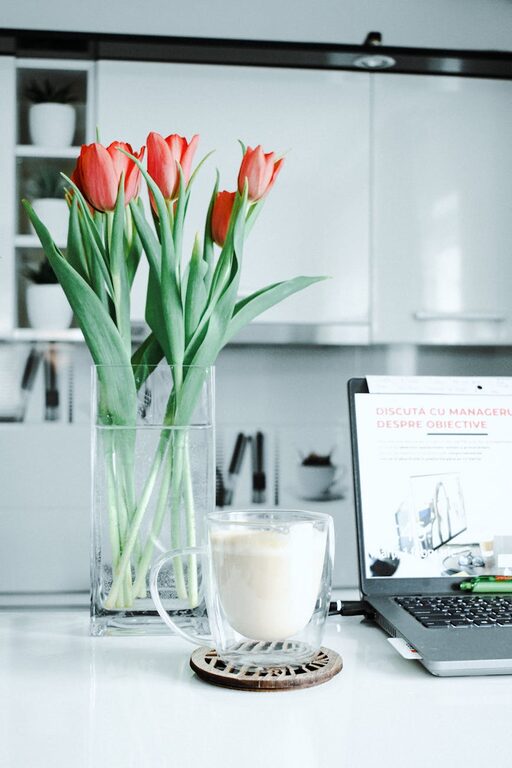
– Comfort Items: A cozy blanket or a favorite mug can enhance your workday experience.
Establish a Consistent Routine
An organized workspace supports a consistent work routine, which is critical when working from home.
– Set Regular Hours: Define your work start and end times to create structure.
– Take Breaks: Schedule short breaks to stretch and recharge.
– Prepare for Tomorrow: Organize your desk and plan your tasks before ending the day.
Maintain Good Lighting and Air Quality
A well-lit and fresh workspace keeps you alert and comfortable.
– Use Desk Lamps: Adjustable lamps help when natural light is insufficient.
– Keep Windows Open: When possible, ventilate your workspace to improve air quality.
– Avoid Harsh Lighting: Use soft, diffused lighting to avoid eye strain.
Final Thoughts
Creating an organized and productive home workspace doesn’t have to be complicated. With a few thoughtful adjustments to your environment, furniture, and habits, you can build a space that supports your best work. Remember that your workspace should reflect your personal needs and preferences while promoting focus and comfort. Start with small changes and gradually refine your setup until it feels just right for you. Happy working!