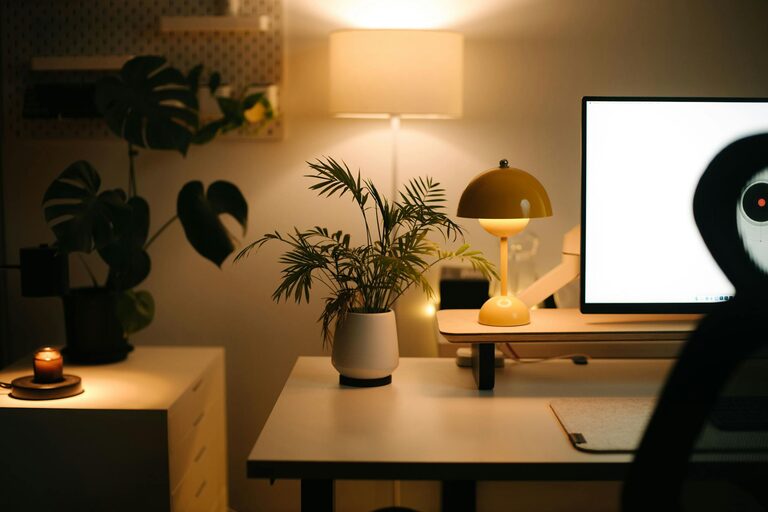



Creating a relaxing home workspace is essential for maintaining focus and increasing productivity, especially as more people work remotely. When your work environment feels calm and inviting, it’s easier to concentrate and feel motivated throughout the day. In this post, we’ll explore practical tips to help you design a home workspace that promotes relaxation and efficiency.
Why a Relaxing Workspace Matters
Your workspace environment has a direct effect on your mood and productivity. Clutter, distractions, and uncomfortable setups can lead to stress and reduce the quality of your work. Conversely, a well-organized, soothing space can:
– Minimize distractions
– Enhance focus and creativity
– Boost motivation and mood
– Improve comfort and reduce fatigue
With these benefits in mind, here are some simple steps to create a more relaxing workspace at home.
1. Choose the Right Location
Start by picking a dedicated spot for your workspace. Ideally, this area should be quiet and free from heavy foot traffic to minimize interruptions.
– Select a space with natural light if possible — it helps improve mood and reduce eye strain.
– Avoid working from your bed or couch to create a mental boundary between work and relaxation.
– If space is limited, use room dividers or curtains to separate your workspace visually.
2. Invest in Comfortable Furniture
Ergonomics play a big role in comfort and productivity.
– Choose a supportive chair with adjustable height, lumbar support, and cushioning.
– Use a desk or table at the right height to keep your posture neutral.
– Consider an adjustable standing desk if you want to alternate between sitting and standing.
Comfortable furniture reduces physical strain and helps you stay focused longer.
3. Keep Your Workspace Organized
Clutter can quickly cause frustration and distract your mind.
– Use storage solutions like shelves, drawers, and organizers to keep supplies tidy.
– Only keep essential items on your desk to maintain a clear surface.
– Develop a routine to tidy up at the end of each workday.
An organized workspace helps you find things easily and keeps your mind clear.
4. Incorporate Calming Colors and Décor
Colors have a psychological impact on how we feel at work.
– Opt for calming hues like soft blues, greens, or neutrals to create a peaceful atmosphere.
– Add some personal touches such as plants, artwork, or photos that make you feel happy without cluttering.
– Avoid overly bright or distracting patterns that can overwhelm your senses.
A visually soothing environment encourages relaxation and creativity.
5. Control Lighting and Reduce Eye Strain
Proper lighting prevents fatigue and supports productivity.
– Make the most of natural light during the day.
– Use adjustable desk lamps with warm light for focused tasks.
– Avoid glare on your screens by positioning lights thoughtfully.
– Take regular breaks following the 20-20-20 rule: every 20 minutes, look at something 20 feet away for 20 seconds.
Good lighting keeps your eyes comfortable and alert.
6. Incorporate Soothing Sounds
Sound affects concentration in different ways. Some people prefer silence, while others like background noise.
– Use noise-canceling headphones if you need to block out distracting sounds.
– Play soft instrumental music or nature sounds to enhance focus.
– Keep your workspace away from noisy appliances and heavy traffic zones if possible.
Experiment to find the sound environment that works best for you.
7. Maintain Good Air Quality and Temperature
A fresh, comfortable environment boosts both health and productivity.
– Open windows regularly to circulate fresh air.
– Add air-purifying plants like spider plants or succulents.
– Adjust the room temperature to a comfortable level — neither too hot nor too cold.
Good air quality and temperature help you stay alert and comfortable all day.
8. Take Regular Breaks and Move
Even the most relaxing workspace can’t replace the benefits of short breaks.
– Stand up, stretch, or take a quick walk every hour.
– Use break time to hydrate and clear your mind.
– Avoid staying glued to screens for prolonged periods.
Incorporating movement helps refresh your body and mind, leading to improved productivity.
Conclusion
Designing a relaxing home workspace is a key step toward improving your work-from-home experience. By choosing the right location, investing in ergonomic furniture, organizing efficiently, and considering lighting, sounds, and air quality, you create an environment that supports focus and reduces stress. Remember to personalize your space with calming colors and decor and prioritize regular breaks to keep your energy flowing. With these tips, you’ll boost both comfort and productivity in your daily work routine.