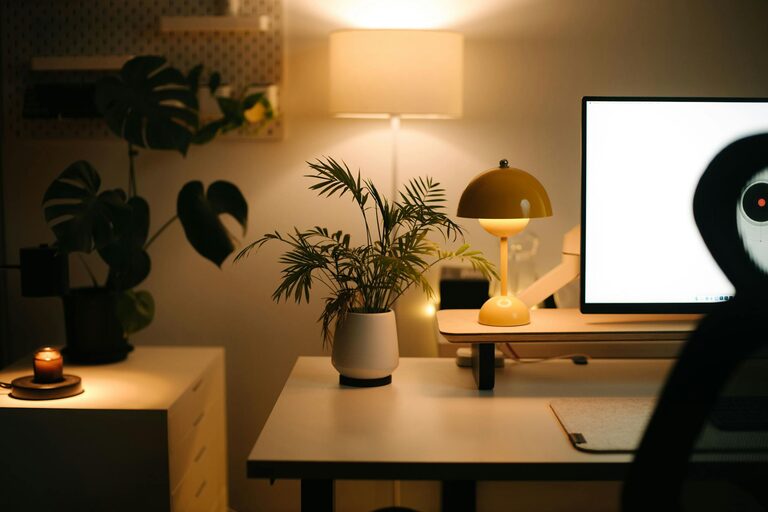


Creating a cozy and inviting home workspace can make a big difference in your daily productivity and comfort. Whether you’re working from home full time or just need a quiet spot for occasional tasks, having a dedicated space that feels warm and welcoming helps you stay focused and motivated. In this post, we’ll guide you through simple steps to design a workspace that combines style, functionality, and comfort.
Choose the Right Location
Finding the perfect spot for your workspace is the first step. Consider these factors when selecting your area:
– Natural light: A well-lit space with access to daylight improves mood and reduces eye strain.
– Quietness: Pick a location away from high-traffic rooms or noisy appliances.
– Space: Ensure there’s enough room for your desk, chair, and any equipment or storage you need.
– Privacy: If possible, use a separate room or a corner that offers some isolation during work hours.
If space is limited, don’t worry! Even a small nook or a section of a room can be transformed into a productive workspace.
Invest in Comfortable and Functional Furniture
Your desk and chair are the foundation of your home workspace. Comfort is key to maintaining good posture and preventing fatigue.
– Desk: Choose a desk size that fits your room but still provides ample surface area for your computer, paperwork, and other essentials.
– Chair: Invest in an ergonomic chair with proper lumbar support, adjustable height, and comfortable padding.
– Additional surfaces: Consider a small side table or shelves for additional storage or for placing items like a printer or books.
Keep ergonomics in mind: your chair height should allow your feet to rest flat on the floor, and your monitor should be at eye level to avoid neck strain.
Enhance Lighting for Comfort and Efficiency
Good lighting reduces eye strain and keeps you alert throughout the day.
– Natural light: Position your desk near windows to take advantage of daylight.
– Task lighting: Use a desk lamp with adjustable brightness to focus light where you need it.
– Ambient lighting: Soft overhead lighting can help eliminate harsh shadows and create a warm atmosphere.
Choose warm or neutral light bulbs for a cozy feel, avoiding overly bright or blue-toned lights that may feel sterile or tiring.
Personalize with Thoughtful Decor
Adding personal touches to your workspace makes it more inviting and inspiring.
– Colors: Opt for calming, neutral shades like soft blues, greens, or earth tones that promote focus.
– Plants: Bring in some greenery with low-maintenance plants to improve air quality and add visual interest.
– Artwork: Hang pictures, prints, or inspirational quotes that uplift your mood.
– Textiles: A cozy throw blanket or a comfortable cushion can soften the space and add warmth.
Avoid overcrowding your workspace with too many decorations. Keep it balanced and clutter-free.
Organize for Efficiency and Calm
A tidy workspace helps reduce distractions and keeps your mind clear.
– Storage solutions: Use shelves, drawers, or bins to keep supplies organized and within reach.
– Desk organizers: Utilize trays, containers, or cable holders to keep small items orderly.
– Cable management: Use clips, ties, or sleeves to keep cords neat and prevent tangling.
– Daily declutter: Spend a few minutes each day clearing unused items from your desk.
Consider labeling storage containers to find items quickly and maintain order.
Incorporate Technology Thoughtfully
Technology is essential but can easily clutter your space if not managed well.
– Wireless devices: Use wireless keyboards, mice, or headphones to cut down on cables.
– Charging stations: Create a dedicated spot for charging your phone, tablet, and other devices.
– Monitor stands: Raise screens to eye level while creating extra desk space underneath.
– Headphones: Noise-canceling headphones can help you focus if your environment is noisy.
Plan your layout so cords and devices don’t overwhelm your workspace.
Create Boundaries for Work and Relaxation
Especially when working from home, it’s important to separate your workspace from relaxation zones.
– Physical separation: Use a room divider or arrange furniture to define your workspace.
– Visual cues: Choose a specific desk or corner for working to signal your brain it’s time to focus.
– Routine: Start and end your workday with rituals that help shift your mindset, like turning on/off a desk lamp or tidying your space.
– Break areas: Have a separate spot for breaks, away from your desk.
This separation helps maintain balance and reduce stress.
Final Thoughts
Creating a cozy and inviting home workspace doesn’t require a complete makeover. By choosing the right location, investing in comfortable furniture, managing lighting, personalizing decor, staying organized, integrating technology thoughtfully, and setting boundaries, you can design a space that supports your best work every day.
Start with small changes and adjust as you go. Your ideal workspace is one that feels both functional and welcoming to you. Happy working!