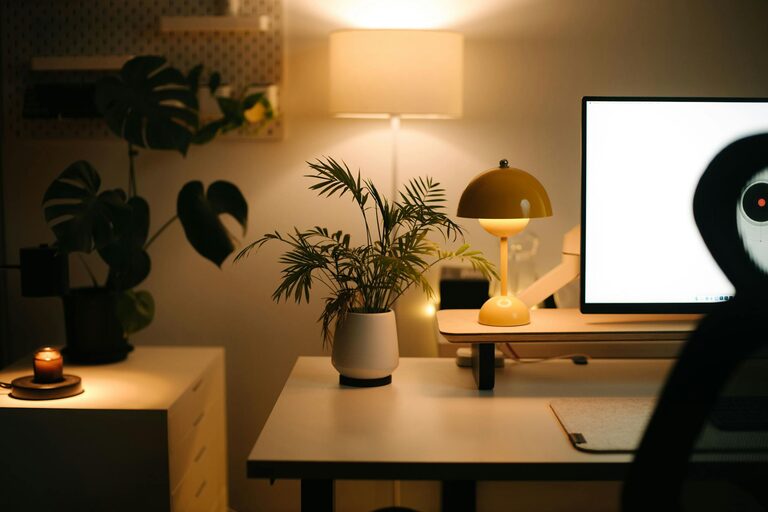



Creating a relaxing home workspace can make a huge difference in your daily productivity and overall well-being. When your work area feels calm and inviting, it’s easier to focus and stay motivated throughout the day. Whether you’re new to working from home or looking to refresh your current setup, these tips will help you craft a space that supports both relaxation and productivity.
Why a Relaxing Workspace Matters
Your environment strongly influences how you work and think. A workspace that feels cluttered, noisy, or uninspiring can increase stress and make it harder to concentrate. On the other hand, a well-designed, calming workspace encourages better focus, creativity, and efficiency, making your workday feel more manageable and enjoyable.
Choose the Right Location
Start by selecting a quiet corner or room where you can work without distractions. If you don’t have a dedicated office, try to find a spot that allows natural light and has enough room for your essentials. Avoid areas near the TV or high-traffic zones to maintain a peaceful vibe.
Declutter and Organize Your Space
Clutter can be overwhelming and distracting. Keep your desk clear by regularly organizing papers, supplies, and equipment. Use storage solutions like drawers, shelves, or boxes to keep things neat and out of sight when not in use.
Tips for Organization:
– Use cable organizers to prevent tangled cords.
– Store stationery in holders or drawers.
– File important documents in labeled folders.
Invest in Comfortable Furniture
A good chair and desk setup is essential. Choose an ergonomic chair that supports your posture and a desk at a comfortable height. Being physically comfortable reduces fatigue and helps maintain focus during longer work periods.
Personalize with Calming Elements
Add touches that make your workspace pleasant without causing distractions. Consider including:
– Plants: A small potted plant or succulent can bring a touch of nature and improve air quality.
– Soft lighting: Use lamps or natural light to create a gentle atmosphere instead of harsh overhead lighting.
– Colors: Choose soothing colors like soft blues, greens, or neutrals for your walls or accessories.
– Inspirational items: A motivational quote or personal photo can boost your mood.
Minimize Noise and Distractions
Sound can significantly affect your concentration. If possible, use noise-canceling headphones or play soft background music or white noise to drown out disruptive sounds. Let family or housemates know your work hours to minimize interruptions.
Incorporate Break-Friendly Features
Encourage regular breaks to refresh your mind. Try to include a comfortable chair or a small area nearby for stretching or relaxing. Setting a timer can remind you to pause and move away from your desk periodically.
Keep Technology Streamlined
Limit the number of devices on your desk to avoid feeling overwhelmed. Use wireless accessories if possible to reduce clutter. Make sure your computer and internet setup is reliable to prevent frustration during work.
Maintain Good Air Quality and Temperature
Proper ventilation and a comfortable room temperature play a big role in staying alert and comfortable. Open a window for fresh air or use a fan or heater as needed to keep the atmosphere pleasant.
Establish a Clean-Up Routine
At the end of each workday, spend a few minutes tidying your space. Putting everything back in its place prepares you for the following day and reduces stress.
Conclusion
Creating a relaxing home workspace doesn’t have to be complicated or expensive. By focusing on comfort, organization, and a calming atmosphere, you can build a space that helps you stay productive and enjoy your work. Small changes can make a big difference, so start with one or two tips and gradually adjust your workspace until it feels just right. A well-designed environment can turn your home office into a place where you want to spend time and accomplish great things.